

What a Mix Parlay Is
A parlay, also called an accumulator, combo bet or multi, is a single bet that links together two or more individual wagers. Every leg must win. Mix parlay betting tips rest on one rule: multiply the decimal odds of every leg, then multiply by your stake. The same multiplication is why every extra leg costs you probability.
Mechanics of Multiple Selections
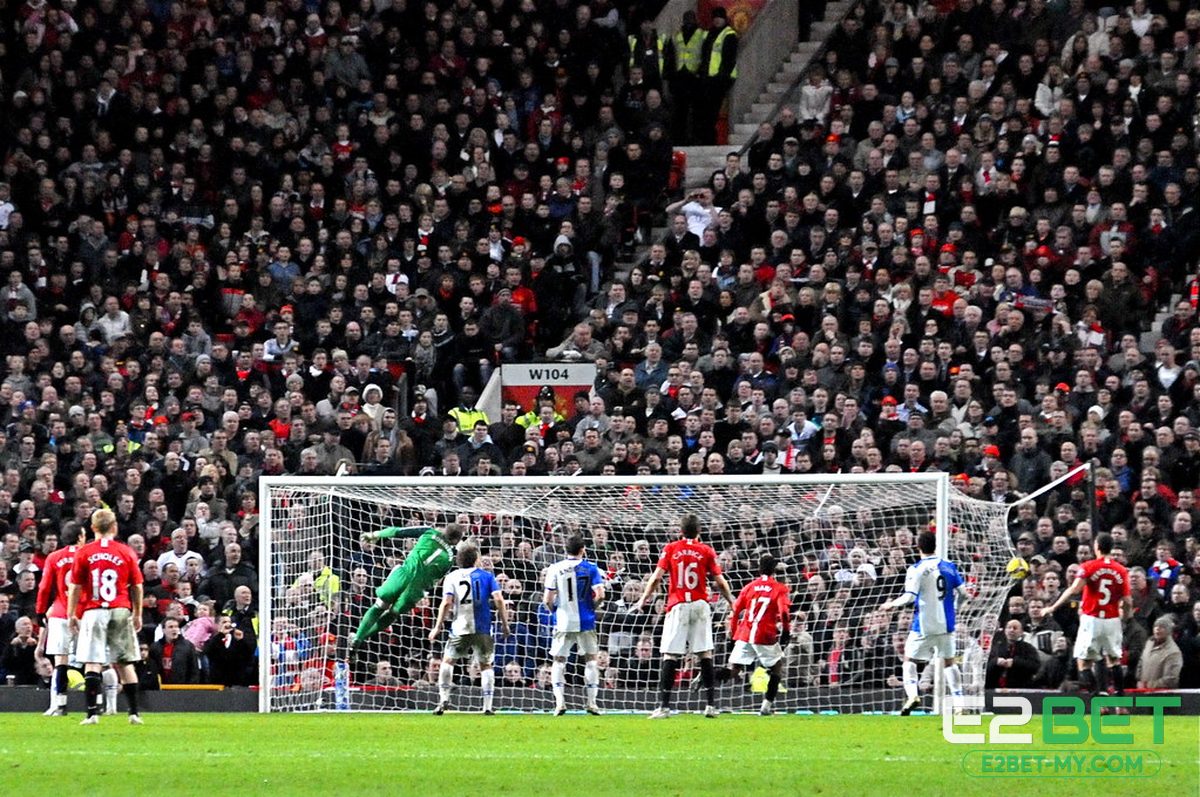
In modern online football betting, a combo slip bundles separate match outcomes into a collective wager across different matches. When participating in parlay betting, a customer selects outcomes such as match winners, total goals, or handicap spreads from various fixtures. If every chosen outcome proves correct at the final whistle, the total payout reflects the compounded odds of all combined picks. Should a single selection fail, the entire ticket loses.
Regional Odds Formats
Decimal odds quote the ratio of the payout amount, including the original stake, to the stake itself. Decimal odds are most common in Continental Europe, Australia, New Zealand and Canada.
Hong Kong odds are decimal (for example 1.2) and show the ratio of profit to stake, matching UK fractional odds such as 6/5. Players bet and get paid in Malaysian ringgit (MYR).
Decimal odds already include your stake, so you can multiply them straight across the legs. Hong Kong odds exclude the stake, so add 1 to each leg first, then multiply.
How Parlay Odds Multiply
Calculating the final price of a combo ticket involves compounding the individual decimal quotes from each chosen fixture. When a slip contains multiple selections, the potential payout does not increase through simple addition. The operator multiplies the decimal figure of the initial match by the decimal figure of the subsequent match, continuing that progression through every leg on the ticket.
Fair decimal odds equal the reciprocal of the probability of an outcome, so fair decimal odds of 5.00 mean a probability of 1 / 5.00, or 0.20 or 20%. Commercial betting markets incorporate a bookmaker margin, meaning the quoted price always sits slightly below the mathematical reciprocal of the real-world probability. When several selections combine on a single ticket, these discounted prices multiply together, widening the gap between the true statistical likelihood and the offered payout. Bettors who understand this principle evaluate multi-leg slips with greater caution, recognising that attractive payouts reflect compounded house advantages rather than favourable betting propositions.
A worked example
Take four legs at 1.80 each. Multiply 1.80 four times to get about 10.50, so a RM10 stake returns about RM104.98 including the stake if every leg wins. Add a fifth leg and the return climbs to about RM188.96, but the chance of all five winning is far smaller.
| Legs Combined | Combined Multiplier | Payout on RM10 Stake |
|---|---|---|
| Two legs | 3.24 | RM32.40 |
| Three legs | 5.83 | RM58.32 |
| Four legs | 10.50 | RM104.98 |
| Five legs | 18.90 | RM188.96 |
If a leg of a parlay pushes, the parlay reverts to a lower number of wagers and the payout odds reduce accordingly. Other selections stay live.
A push means the result lands exactly on the line, for example a team giving one goal wins by exactly one goal on an Asian Handicap, and that leg is refunded, not lost. On a four-leg ticket the slip then settles as a three-leg bet at the remaining prices. Split-stake lines such as quarter-ball can pay or lose only half of a leg, so check how the operator settles them inside a parlay; see our Asian Handicap betting guide.
Why More Legs Means More Risk
Linking wagers in a parlay drastically reduces the chance of the bet paying off overall. Every added fixture introduces another point of failure to the ticket.
Parlay bets pay at odds higher than a typical single game bet but below the true odds. Each leg you add multiplies the chance of a loss into the ticket, and the margin on every leg is included in the price.
Choosing Legs That Belong Together
Pick legs whose results do not depend on each other, for example matches from different groups or different days. You can start from the E2Bet homepage to open the sports section.
Correlated selections
Correlation refers to situations where the outcome of a wager directly influences or depends upon the result of another. Some operators block or reprice correlated legs, and you cannot assume the quoted price ignores the link. For example, a favourite to cover an Asian Handicap and the over on total goals in the same match tend to win or lose together.
Keeping a slip manageable
- Keep the slip short; three or four legs is where many bettors stop.
- Avoid pairing heavily dependent outcomes from the same contest because linked legs can be blocked or repriced.
- Check settlement rules for voided matches or pushes so payout changes do not catch you unprepared.
- Compare decimal multipliers against implied probability to verify whether the potential payout justifies the combined exposure.
Parlays in a Crowded Tournament Schedule
Malaysia Time is GMT+8, so most matches played in North American time zones kicked off late at night or in the morning in Malaysia. Matches that kick off at different hours also settle at different times, so one slip can stay open across several days.
A long tournament and one parlay slip
The 2026 FIFA World Cup was hosted by Canada, Mexico and the United States, with 48 teams and 104 matches. Mexico beat South Africa in the opening match at Estadio Azteca in Mexico City on 11 June 2026, and Spain beat Argentina 1-0 after extra time in the final on 19 July 2026 at MetLife Stadium, New Jersey. A parlay that links a group match to a knockout match stays open for weeks, which is the real lesson of a long tournament: your stake is tied up. If you want to see who won, read who won World Cup 2026, and for the tournament facts see E2Bet World Cup 2026.
Scheduling intervals across tournament stages
Placing wagers on games scheduled days apart freezes the committed stake while earlier results remain unsettled. Keep a slip inside one stage of the tournament, so group matches and knockout matches are not on the same ticket.
Staking Plans for Parlays
Decide your stake before you build the slip. A flat stake, the same amount on every ticket, is the simplest plan and stops a losing run from pushing you to bigger bets.
Set a weekly budget for tickets, because daily matches make it easy to place a slip on every game. Play is for adults aged 18 and above; set a budget and do not chase losses.
Parlay Mistakes to Avoid
If any one of the bets in a parlay loses, the entire parlay loses.
Overloading slips with excessive selections
Many bettors keep parlays to three or four legs because each extra leg multiplies the risk. Expanding a ticket beyond that threshold significantly compounds the likelihood of failure. Each additional match introduced to a slip creates another hurdle that must clear successfully before any return is paid out. Accumulating excessive selections often stems from an urge to chase enormous theoretical payouts rather than assessing realistic probabilities. Restricting tickets to compact combinations provides a far more resilient wagering structure across a lengthy competitive tournament.
Typical parlay mistakes:
- Multiplying Hong Kong odds as if they were decimal: add 1 to each leg first.
- Assuming a pushed leg loses the slip: it is refunded and the slip settles on the remaining legs.
- Putting two linked outcomes from the same match on one slip.
- Skipping the market rules on whether extra time counts in a knockout match.
Chasing failed tickets with emotional wagers
After a losing ticket, do not rebuild the slip straight away to win the money back; a new ticket has the same margin built into it.
Frequently Asked Questions
A mix parlay functions as a single wager combining two or more separate match selections, paying out only when every included choice succeeds. Should even one chosen match fail, the entire combination loses without returning a payout. E2Bet's sportsbook covers football, basketball, tennis and eSports with 1X2, Over/Under, Asian Handicap and in-play markets.
Decimal odds determine the payout by multiplying the prices of each individual match together to generate one total ticket price, including your original stake. For instance, two legs priced at 1.80 each multiply to 3.24, which returns RM32.40 from an initial RM10 outlay if both win. Three legs at 1.80 multiply to about 5.83 and four legs to about 10.50; the table above lists RM10 returns for two to five legs.
Three or four legs is where many bettors stop, because each extra leg multiplies the risk. Bundling multiple outcomes drastically reduces the chance of the bet paying off overall, as a single failed result defeats the ticket. While longer slips offer tempting compounding numbers, the likelihood of every outcome landing drops steeply with each extra match.
Many sportsbooks let you put Asian Handicap, 1X2 and Over/Under selections from different matches on one slip, but check the terms on the E2Bet site for the combinations it accepts. If an Asian Handicap leg pushes, that leg is refunded and the slip settles on the remaining legs. Quarter-ball lines can pay or lose half of a leg, so read the settlement rules first.
When a selection pushes or is voided, the ticket stays alive by reverting to a lower number of wagers, meaning only the remaining legs count towards the payout. The decimal odds for that voided match are removed from the compounding equation, and the total payout odds reduce accordingly. For example, a four-leg slip with one voided match simply settles as a three-leg bet if the remaining games win.
Combo tickets pay at odds higher than a typical single game bet but below the true odds, meaning bookmaker margins compound with every added fixture. So a parlay is rarely good value: the price sits below the true odds and every extra leg lowers your chance of winning.